Author: Jaspal Sidhu
When choosing a private school in Indonesia, parents are ultimately looking for much more than a curriculum, impressive facilities or strong academic results. They want to know whether their child will be happy, known, challenged and cared for; whether the teachers are capable and genuinely invested in their development; and whether the school will prepare them not only academically, but also with the character, confidence and skills they will need for the future. These questions are not always easy to ask, and the answers are rarely found in a brochure or presentation. Often, they emerge from looking more closely at the people, culture and everyday life of a school.
Having worked across this beautiful Indonesian archipelago—from Aceh to Kalimantan, first as an engineer and later establishing schools and developing townships over the past 30 years—I have had the privilege of experiencing Indonesia in a way few outsiders get to.
Indonesia has taught me much about the language, culture and social relationships that shape the way communities interact. In particular, I have always admired the importance Indonesians place on respect and politeness, and the natural respect for institutions and people perceived to have expertise.
Yet, ironically, this beautiful aspect of Indonesian culture can sometimes complicate the first interaction between a parent and a school. Both sides are trying to be respectful, but that very politeness can prevent the conversation from going as deep as it should. Parents may naturally think: You are the educators. You understand education. Guide me.
I understand that feeling. It is a little like sitting across from a doctor after receiving test results. You have questions, but you are not quite sure what to ask. Is there something I should be asking that I don’t know to ask? If the doctor does not engage you, the consultation can end quickly and you go home wishing you had asked more.
I believe many parents experience something similar when choosing a school. Add Indonesia’s deeply rooted culture of politeness and respect, and conversations can remain polite and cordial but also quite superficial. Parents then go home thinking, “What did I actually learn that I did not already know from the school’s website?” And perhaps, “I wish I had asked more.”
Advice to Schools: Listen Before You Sell
Schools should never mistake a parent’s politeness for a lack of knowledge, curiosity or ambition for their child. Parents often have far more on their minds than they initially put into words. A good school therefore has a responsibility to break through that formality—not by selling harder, but by listening better.
Don’t rush into the presentation. Ask about their child. What do they enjoy? What worries the parents? What are their hopes? Give parents time to speak and you begin to hear the questions behind the questions: Will my child be happy here? Will the teachers care? Will someone notice if my child is struggling?
The conversation has moved from “What does your school offer?” to something far more important: “Do I have confidence in these people?”
Perhaps Schools Need iFAQs, Not Just FAQs
Schools prepare FAQs—Frequently Asked Questions—covering fees, curriculum, facilities and school hours. Useful, certainly. But perhaps schools also need iFAQs—Infrequently Asked Questions: questions that may not be asked, but should be.
Interestingly, some of the most important should come from the school: Tell me about your child. What makes them happy? Where do they struggle? What worries you? What are your hopes for them? What kind of person would you like them to become?
Suddenly, we stop talking about a school trying to enrol a student and start talking about a child. That is the conversation every good school should want to have.
Is Choosing a School Different in Smaller Indonesian Cities?
The fundamental concerns are the same, but they can be more pronounced in Indonesia’s smaller and emerging cities. We have seen this in communities such as Sidoarjo and Kediri in East Java.
A family in Jakarta or Surabaya may have visited numerous private schools and be familiar with different curricula and teaching approaches. They have points of comparison. Parents in smaller cities may simply have had fewer schools to compare and less exposure to different educational models.
That does not mean their aspirations are any lower. They want every opportunity for their children; they may simply not know all the questions they are entitled to ask.
This places an even greater responsibility on schools. Rather than hide behind educational jargon or impressive terminology, schools should help parents understand what good education actually looks like. Parents should leave the conversation not only understanding the school better, but also better equipped to decide whether it is the right school for their child.
Advice to Parents: Keep the Respect, But Dig Deeper
My advice to parents is straightforward: keep the respect, put the formality aside and dig deeper. You do not need to be an educator to ask good questions. If you don’t understand something, ask: “What does that actually mean for my child?”
And don’t only listen. Observe. Walk around the school. Do the children appear happy and confident? How do teachers speak to them? Does the principal know the students? Sometimes what you see in ten minutes tells you more than what you hear in an hour-long presentation.
Ask About the Teachers, Not Just the Curriculum
Don’t simply ask, “What curriculum do you use?” Ask, “Who will actually be teaching my child?” Two schools can offer exactly the same curriculum and provide completely different experiences. A curriculum is ultimately a framework; it is the teacher who brings it to life.
Ask how teachers are selected, trained and supported. What happens if a child doesn’t understand? How quickly will parents know if their child is falling behind? Who notices if a normally happy child suddenly becomes quiet?
Look Beyond the Facilities
Good facilities matter, but impressive buildings should never be confused with impressive education. A wonderful science laboratory that students rarely enter is decoration. A maker space without teachers who know how to use it is an expensive room. Technology without good teaching is simply expensive technology.
Look inside classrooms and at student work. Are children asking questions, collaborating, creating and solving problems? Don’t just ask, “What does this school have?” Ask, “What are the children doing with what this school has?”
Ask What Happens When Things Go Wrong
Every school can tell parents what happens when things go well. Ask what happens when they don’t. What happens if a child is bullied, unhappy or falling behind? Who does a parent speak to and how quickly will the school respond?
No school is perfect. Don’t look for one that claims never to have problems. Look for one with the culture, systems and honesty to deal with problems properly when they arise. How a school behaves on a difficult day may reveal more about its values than an Open House ever will.
Ask About Character and the Future
Parents understandably ask about examination results, but also ask: “What kind of person are you trying to help my child become?” How does the school develop confidence, resilience, empathy, responsibility and respect for others?
And ask what kind of future the school is preparing children for. Academic foundations remain essential, but today’s children will also need communication, critical thinking, collaboration, creativity, adaptability, intelligent use of technology and the ability to keep learning.
A child’s report card tells us something important about their education. It does not tell us everything important about the child.
One Final Question
After the presentation, curriculum explanation, facilities tour and discussion about fees, perhaps the most important question is: “Can I see my child here?” Not just studying here, but growing here. Will they be known, challenged and cared for? Will someone notice when something is wrong? Ultimately: “Do I trust these people with the person my child is becoming?”
This thinking is central to why we built SIS and Inspirasi Schools. SIS serves families primarily in Indonesia’s larger and more established cities, while Inspirasi was created to bring quality education to families in smaller and emerging cities. We asked ourselves why good educational thinking, strong teaching and preparation for the future should be concentrated mainly in Indonesia’s biggest cities or available only to families able to afford higher fees.
Inspirasi was never about offering children in smaller cities a simpler version of education. Quite the opposite. A child’s postcode should not determine the quality of education they can aspire to. The cities, buildings and fees may be different, but the aspiration should never be.
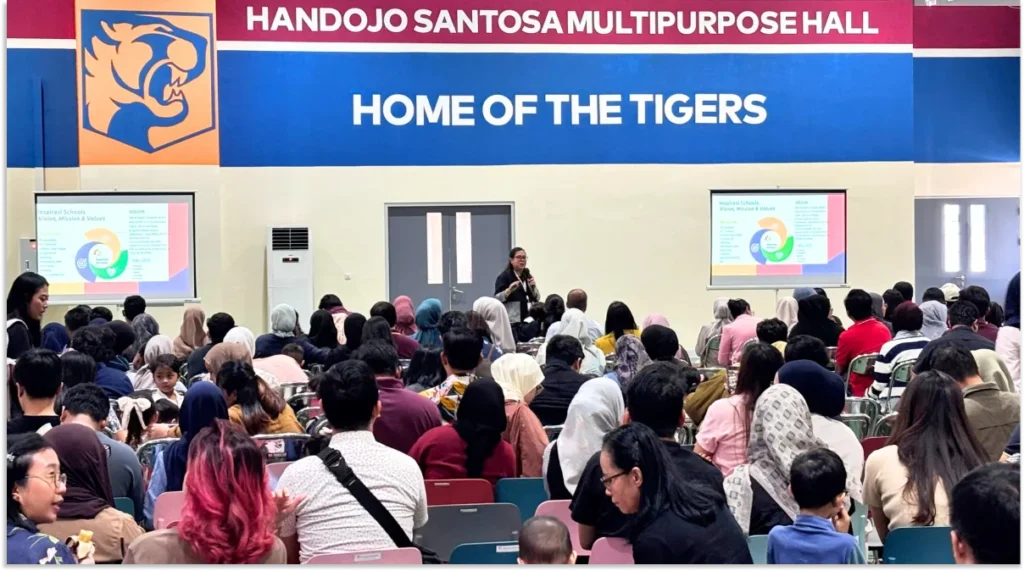
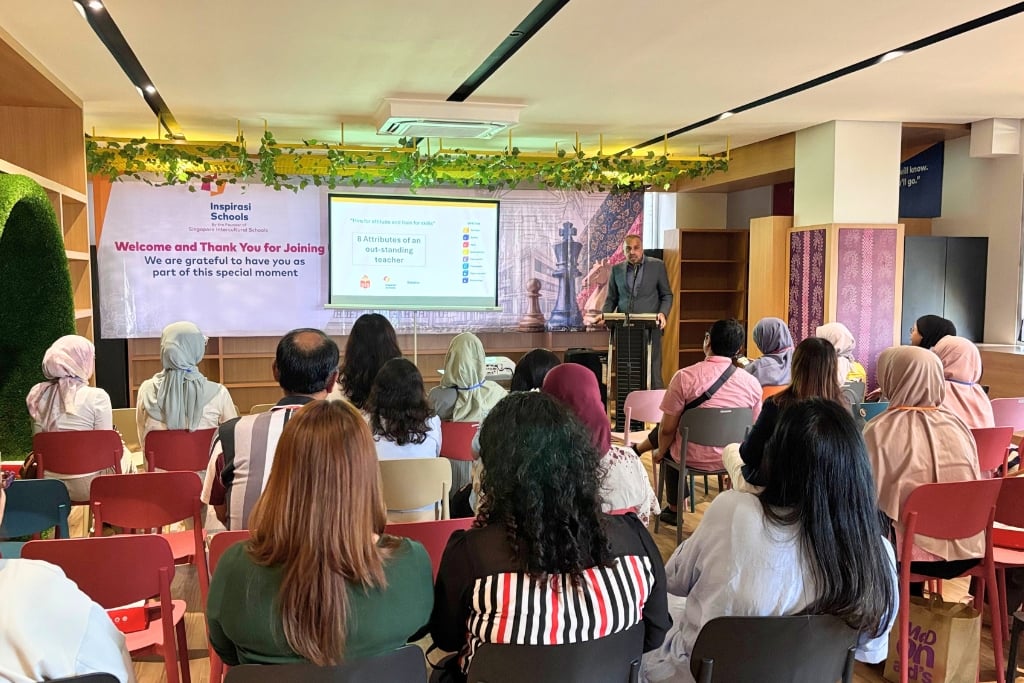
At SIS and Inspirasi, we remind our teams that an Open House or school visit should never simply be about telling parents how good we are. It should be about understanding their child, encouraging parents to ask the questions that really matter, and answering those questions openly and honestly.
And if we don’t ask the right questions, parents should. Whether it is SIS, Inspirasi or any other school, keep the respect—but dig deeper. Ask, observe and challenge.
Because ultimately, choosing a school is about more than the school itself. It is about choosing the people who will be entrusted with helping shape a child’s future.